

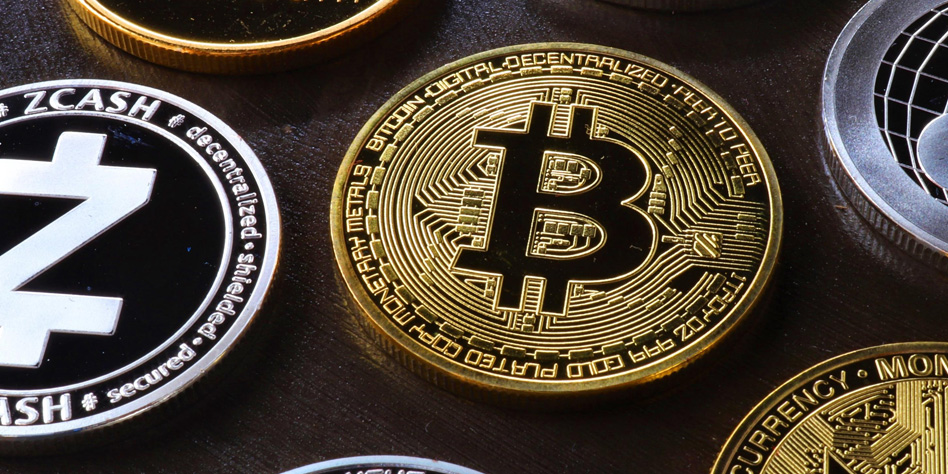
Cryptocurrency is quickly becoming a byword and most people have at least heard of it. Cynics have called crypto as a scam or a pyramid scheme, undermines fiat currencies, and destabilizes nations, to name a few. Crypto supporters see it as the future of money. Forbes Advisor describes cryptocurrency as a “medium of exchange that is digital, encrypted, and decentralized.” This definition may oversimplify what crypto is, but crypto does have use in real life. Here are some of them.
Money Transfers
It is an exceptional system for money transfers, especially international ones. Fees are lower and transfers are sent faster. A $99 million Litecoin (LTC) transaction cost the sender only $0.40 in transaction fees and took only two-and-a-half minutes to process. Transferring through a traditional financial institution would have higher fees and the transfer could take days.
Payment for Goods and Services
It is, after all, a digital currency. More than 15,000 businesses around the world accept Bitcoin as payment and most of these accept other crypto as well. Monero is accepted at more than 950 businesses. Merchants range from retailers, travel companies to restaurants. Some people opt to get their salaries in crypto. New York Mayor Eric Adams’ first three paychecks were in Bitcoin. Miami mayor Francis Suarez also got his wage in Bitcoin. Athletes Odell Beckham, Jr. and Aaron Rodgers did the same thing.
Investment
Careful study of the different crypto coins available in the market and picking the right ones makes crypto a non-conventional investment choice. Admittedly, cryptocurrency prices are volatile; but with good coins and in time, crypto users can grow their wealth. A digital portfolio may also be considered as a censorship-resistant alternative store of wealth. Crypto owners are the only ones with access to their personal crypto wallets and these cannot be frozen by authorities, unlike bank accounts and traditional assets.
Gaming
Cryptocurrency games have gained popularity in the past couple of years. Blockchain technology has helped solve some transaction and fraud problems that developers and players face. Gamers can also earn crypto while playing. Some of the most popular play-to-earn games are Plant vs Undead, Gods Unchained, and Axie Infinity. Aside from earning in crypto, users can utilize what they earned to buy characters, cards, or weapons they’ll need in the game.
Private Transactions
Privacy-centric crypto coins such as Monero enable its users to make anonymous transactions. Some regulations on people’s finances are increasingly becoming more intrusive. To those who value personal and financial privacy, Monero and other privacy coins have become a necessity. Transactions using privacy coins keeps the sender, receiver, and amount anonymous. Traditional financial institutions involve a lot of red tape while processing payments, especially for large amounts. These bureaucratic practices can also delay transactions.
No matter how you see yourself using crypto, it is essential to obtain a crypto wallet to safely keep the bulk of your digital assets. You’ll need a wallet that enables you to have faster, easier, and uninterrupted transactions. You cannot send or receive Monero without a Monero wallet. XMRWallet is an open-source Monero wallet that’s web-based. Once you open an XMRWallet account, you will be given a 25-word mnemonic seed. The seed works as a password to your account. Write this down and secure it. Don’t share your seed with someone you don’t trust completely. It’s also important to write down both the view key and spend key and keep them in a secure place. You may need these or the seed to restore your wallet. To ensure complete privacy, remember to keep your XMR, your devices, and your network secure all the time.
