

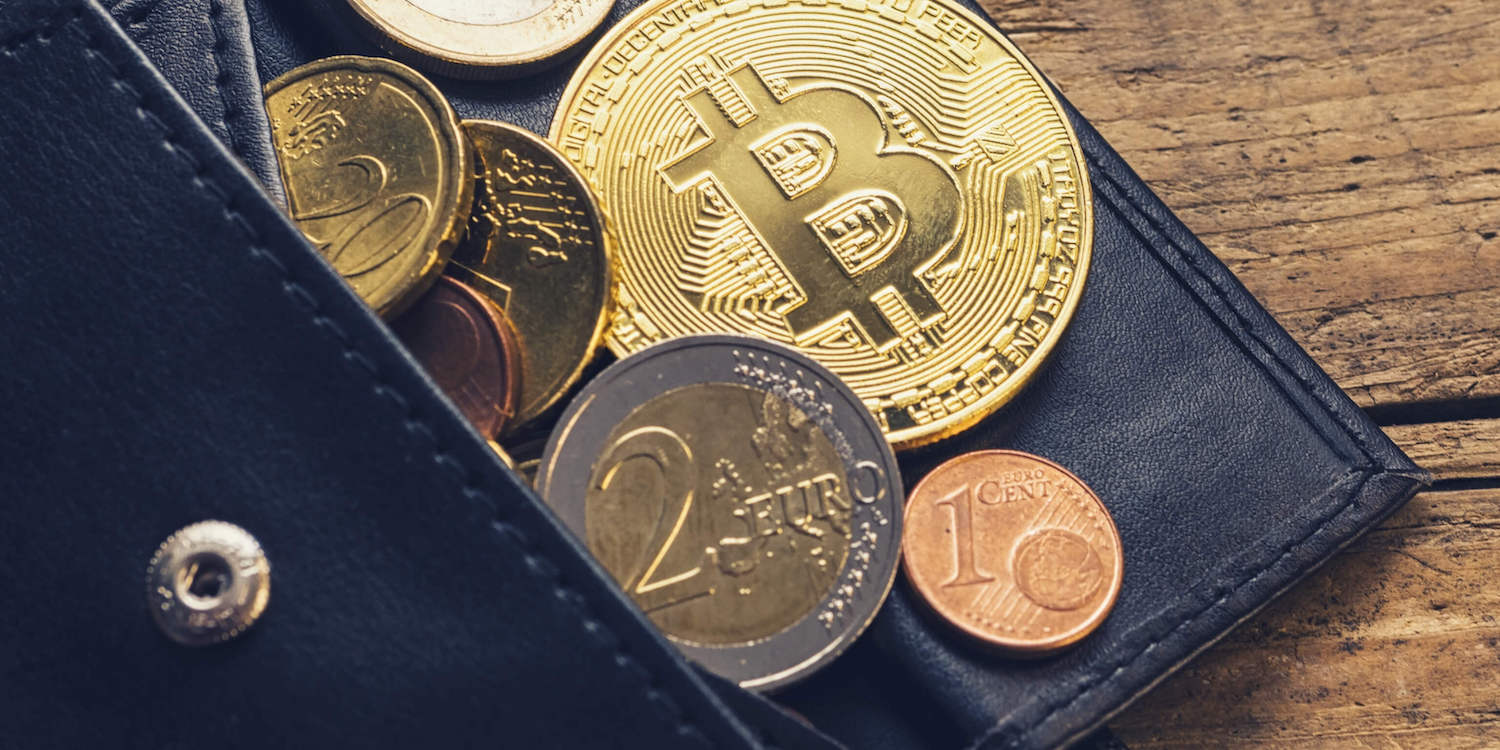
With cryptocurrency in a bull run these days, it’s no surprise that there will be a multitude of new players in this arena. Even well-known conservative and traditional institutions are throwing their hats in the ring. Who would have imagined Wells Fargo, Goldman Sachs, and JPMorgan among others will be investing in crypto? If you’re new to cryptocurrency trading, you may have heard of wallets. Read on to find out why you would need a wallet and what you should look for in wallets.
Crypto Wallet Explained
Investopedia defines a crypto wallet as a digital wallet that enables users to store, manage, and trade their Bitcoin, Monero, Ether, and other cryptocurrencies. The send-and-receive process is akin to PayPal transactions except that the system generates a unique address or a QR code that’s needed for completing transactions. You don’t technically store your crypto in the wallet. Your crypto is found in the blockchain and you can only access it using a private key. Your keys prove you own the digital money and allows you to make transactions. It’s these keys and your digital money’s addresses that are actually stored in a wallet. If you lose your keys, you lose your crypto. You do have the option to store your digital assets in the crypto exchange you deal in, but crypto purists will not advise this.
There are three types of wallets. With a paper wallet, you write down your keys on paper and securely store them. While this keeps your keys safe, there’s the risk of inadvertently losing or destroying the paper it’s written down on. Hardware wallets are tangible and look like a USB thumb drive which is where the keys are stored. You only need to connect it to a computer when you need to make transactions using your crypto. Online wallets are apps or software where you can store the keys. This makes sending, receiving, and using crypto like an online bank. Some online wallets can also provide you mobility as they can be downloaded to your mobile gadgets.
What to Look for in a Crypto Wallet
1. Security – as mentioned earlier, if you lose your keys, you lose your crypto. That’s why it’s very important that the wallet you get will ensure that your keys will be safe. It’s critical that you do research before you pick a wallet.
2. Untraceability – this is a quality that adds to the security of your keys. Each transaction you make and the identities of the sender and receiver are hidden. Outsiders cannot see any activity or balances for Monero.
3. Private – people naturally value privacy and just simply don’t want their data out there for anyone’s use. Privacy protects you from cybercriminals as well as censorship and prohibition. This means that you lose freedom in using your crypto as you wish.
4. Fungibility – this is what makes your digital money like cash. When you use cash, no one can trace where it came from. It matters in crypto because if coins were used maliciously and an innocent individual acquired these through legitimate means, this individual can be labeled as a criminal for using sullied coins. It’s another layer of protecting one’s privacy and anonymity.
Another thing to consider is the quality of a wallet’s customer service. If you need support, how easy will it be to contact someone and how quickly will your issue be resolved.
XMRWallet, the First Web-based Anonymous Monero wallet
If you have Monero in your portfolio and you opt to get a web-based wallet, XMRWallet is secure, untraceable, private, and fungible. You can use your crypto any way you want securely without risking your privacy and putting yourself in danger of criminals.
Aside from these critical properties, XMRWallet also provides a totally open-source app. Open-source wallets enable third parties to review their code. If there’s anything wrong or amiss, it will be reported. XMRWallet allows you to use Monero without requiring you to download any software. It has multiple language support. Best of all, it’s completely free, including importing previous transactions. Registration is not required and it’s easy to use.
Create your wallet now and take advantage of everything XMRWallet offers. Using XMRWallet for your Monero coins will expand the privacy and anonymity that Monero provides.
As a closing note, keep this in mind once you’ve opened an XMRWallet account:
✓ Don’t share your “Seed” with anyone. Treat it the way you treat your ATM PIN or online banking password. The best way to keep your “Seed” is to write it down and store it somewhere safe.
