

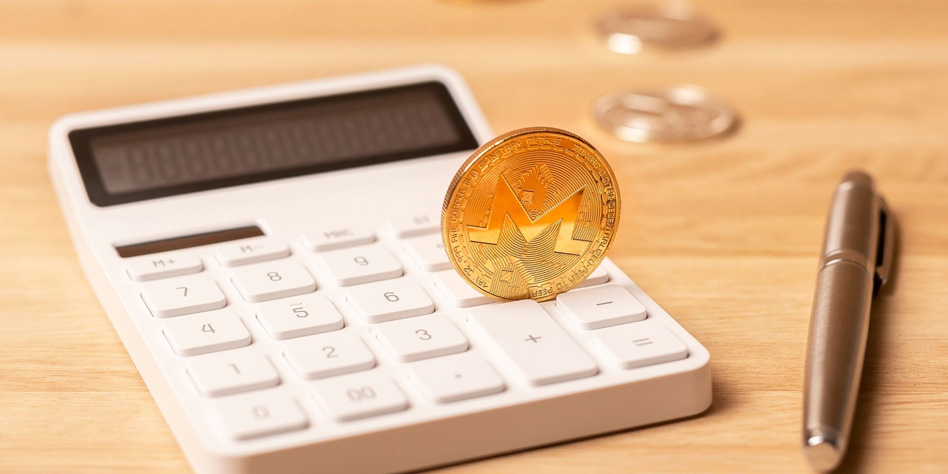
When it comes to privacy and anonymity in the cryptocurrency world, Monero stands out. But beyond its well-known privacy features, Monero has several unique characteristics that many crypto users might not yet be aware of. Below are some fascinating and lesser-known facts about Monero that are both informative and intriguing.
Name Origin
Monero was initially introduced under the name “BitMonero.” However, the community soon opted for a more concise name—Monero—which translates to “coin” in Esperanto. Esperanto, a constructed international auxiliary language, was created to foster global communication and is spoken by thousands worldwide.
Why XMR?
Like BTC for Bitcoin or ETH for Ethereum, Monero uses the abbreviation XMR. This isn’t random—some exchanges follow ISO 4217 standards, which require supranational or synthetic currency codes to begin with an “X.” For example, gold is XAU and the IMF’s Special Drawing Rights are XDR. In alignment with this system, Monero adopted XMR, making it universally recognizable across different trading platforms without any confusion.
Accepting Monero for Business
Freelancers and merchants can easily integrate Monero into their payment systems. Tools like Monero Integrations offer plugins that help e-commerce stores accept XMR. Additionally, resources available at getmonero.org provide alternative gateway options. If you're a freelancer who sends invoices, using a QR code generator for Monero can streamline payments from clients.
Plural Form: Moneroj
In Esperanto, the plural form of Monero is “Moneroj.” The smallest divisible unit of Monero is called a piconero (equivalent to 10^-12 XMR), and at the opposite end is the meganero (10^6 XMR).
Mining Accessibility
Monero promotes egalitarian mining. Its use of the RandomX algorithm allows mining with standard consumer-grade devices, including desktops and even mobile phones. It is designed to resist ASIC dominance, making specialized mining hardware ineffective and ensuring a more decentralized mining ecosystem.
Support Through Mining
Mining Monero can also be used for social good. You can support nonprofit organizations like UNICEF Australia, BailBloc, and Change.org by directing your mining activity to their initiatives.
Spend Your Monero
As a digital currency, Monero can be used for a wide range of purchases. Here are some merchants and services that accept XMR:
- NordVPN
- Coincards – gift cards and retail vouchers
- Abaco Hosting – domains and web services
- Coinstop – reseller of hardware wallets like Ledger and Trezor
- Playhub Casino
- BitCars – crypto-exclusive luxury car marketplace
- Chambery Inn
- Level On Demand – real estate services
- AD RIGA – creative design agency
This is just a sample—many more vendors across different industries are beginning to accept Monero. Be sure to research each one before making a purchase.
Market Insights
As of December 27, 2021, Monero was trading at $230.35, reflecting a 10.67% increase over the previous day. Its market cap was approximately $4.25 billion with a 24-hour trading volume of $155.57 million. These figures suggest Monero is a valuable and growing component of the digital asset space.
Protecting Your Monero
Although Monero provides built-in privacy features, it’s crucial to take additional measures to secure your holdings. Use reliable anti-virus and anti-malware tools, avoid transacting on public Wi-Fi networks, and consider using a VPN. A mix of hot and cold storage solutions is recommended for maximum protection. For instance, XMRWallet is a privacy-focused, web-based Monero wallet that does not require registration and gives you full control of your private keys.
If you're searching for a secure online wallet, XMRWallet is designed to match Monero’s privacy standards. You can send and receive XMR instantly while remaining in control of your funds. After setup, make sure to write down your mnemonic seed, spend key, and view key—these are essential for recovery. XMRWallet does not store or transmit any of this data, ensuring complete confidentiality.
