

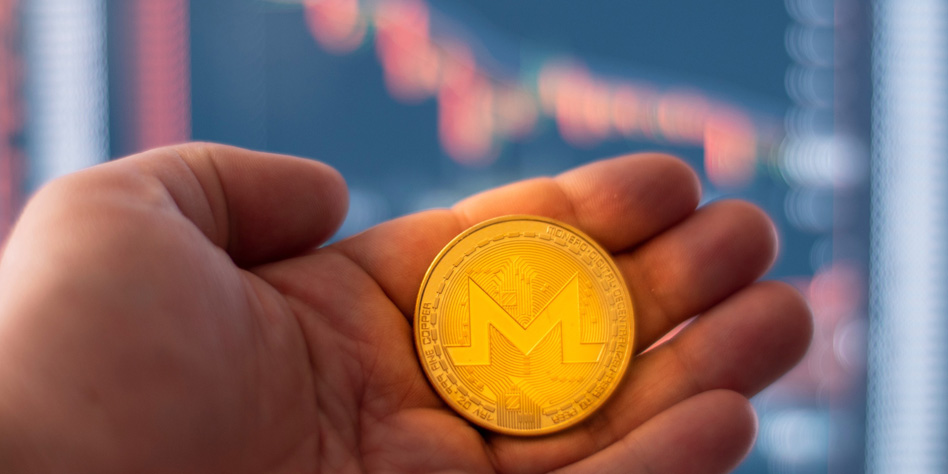
Every Monero owner knows they should have an XMR Wallet. A Monero wallet enables you to manage, store, and transact your XMR funds. If you have other cryptocurrency coins, you may need to get a separate wallet for your XMR. Most of the multi-currency wallets in the market do not support Monero yet because of its unique technologies that guarantee privacy and anonymity. With several XMR wallet options to choose from, here are some things you need to think about so you can pick the one that works best for you.
Your needs
Holders of XMR differ in how they use their assets. Some buy the coin as an investment, while some use it to pay for goods and services. There are those who do both and still others who mine. Cold wallets, like paper and hardware wallets, work best if you are an XMR long-term investor. If you are a Monero adopter and use it regularly, you will need a hot or software wallet. This type of Monero wallet makes it convenient for you to send and receive XMR. Miners and those who would like to contribute to network security need the official Monero CLI and GUI wallets.
If you use Monero for several things, you can also choose to have more than one wallet. Think about it as how you secure your fiat or government-issued money. You put some in the bank, some in your safe, and some in your wallet.
Security and privacy
Monero delivers anonymity, untraceability, and fungibility. It just makes sense to choose an XMR wallet that works to the coin’s advantages. Hardware and paper wallets are the most secure, though you cannot use them to send XMR. Software wallets allow you to send and receive XMR. There is a greater risk, however, because you need to be online to use them. Non-custodial software wallets are your safest bet. You have full control of your XMR. This also means that you are responsible for its security. When you create a non-custodial wallet, it generates a seed phrase. You should write or print at least three copies of the seed and keep them in different locations. This seed phrase gives you access to your funds. You risk losing your XMR if you misplace your seed phrase or share it with someone else.
You have less responsibility for security if you choose a custodial wallet, but you should trust the third party that holds your funds. They hold and control your keys. You should also be willing to go through KYC and AML procedures. Non-custodial wallets do not have these and registration is not required either.
Source code
A single developer (closed-source) or open-source can develop Monero wallets. Only the developers know a closed-sourced wallet’s code. They are the only ones who can check for any vulnerabilities, and it may take time to resolve it. An open-source wallet’s code is available for anyone to view, change, and redistribute. Open-source wallets are more secure because their communities work together to check the code and report or fix any bugs quickly. This collaboration also helps make the wallets better.
Multiple language support
There were 20 million Monero transactions recorded worldwide in the first two months of 2022. If you have friends, family, customers, or business associates all around the globe, an XMR wallet that supports different languages will make for seamless transactions.
Import function
If you already have a Monero wallet and would like to get another one, a wallet with an import function will facilitate this process.
Simple synchronization
Synchronization makes sure that the XMR in your wallet and the Monero blockchain are aligned. A simple and fast sync process will give you a better user experience.If you use XMR regularly, XMRWallet is the Monero wallet for you. It is a secure, open-source software wallet that gives you full control of your coins and keys. You do not need to register and there are no KYC requirements. Go to xrnrwallet.com and create Monero wallet for free. It supports multiple languages, has an import function, and synchronization just takes 25 minutes. Trusted, Trustpilot, and CryptoCompare gave high ratings to XMRWallet.
