

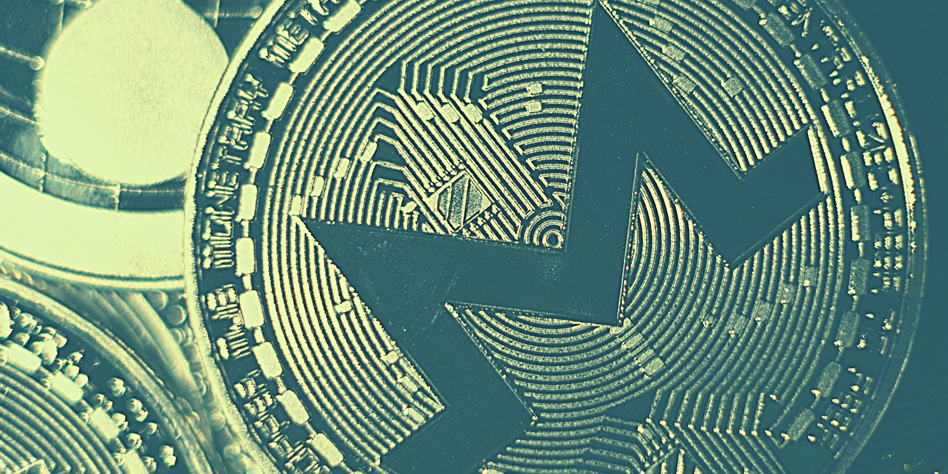
A June 2022 special investigation by Reuters into the Binance cryptocurrency exchange reignited debates around privacy coins—particularly Monero (XMR). The article suggested that Binance was promoting the use of privacy-focused cryptocurrencies, including Monero, by offering them to its users and featuring them in educational content, despite warnings from global law enforcement. The U.S. Department of Justice went so far as to describe the use of anonymity-enhanced cryptocurrencies as a “high-risk activity” possibly linked to criminal intent. These narratives have fueled misconceptions around Monero that this article seeks to clarify and correct.
Myth #1: Monero Is Only Used by Criminals
One of the most persistent claims is that Monero is solely for illegal use. However, blockchain data tells a different story. According to Chainalysis, only 0.15% of all crypto transactions are associated with illicit activities. By comparison, the United Nations reports that between 2% and 5% of fiat currency transactions are tied to crime. Additionally, research by Simon Butler shows that most criminals still prefer physical cash over cryptocurrency.
Monero was created with the goal of protecting financial privacy for everyone—not just a select group. As the Monero team explains, “This level of privacy must be completely accessible to all users, whether they are technologically competent or not.” XMR is used in legitimate scenarios such as shielding personal purchases from corporate surveillance, supporting people in authoritarian regimes, and offering safety to those escaping domestic abuse.
In essence, privacy is a right—not a red flag. It is unjust to stigmatize Monero holders based solely on the coin’s privacy features.
Myth #2: Monero Is Centralized Because of Hard Forks
Critics often point to Monero’s regular hard forks as a sign of centralization. In reality, these forks are planned upgrades that enhance Monero’s privacy and performance in response to new surveillance tools. Unlike contentious forks that split communities, Monero’s upgrades are consensus-driven and maintain the integrity of the network.
Myth #3: You Can’t Buy Monero Anymore
It’s true that some centralized exchanges have delisted Monero due to regulatory pressures. However, XMR remains widely accessible. Many exchanges still offer it, both for fiat and crypto trading. Moreover, decentralized exchanges (DEXs) and peer-to-peer platforms continue to support Monero trading. The Monero community is also working to build secure, censorship-resistant ramps for acquiring and selling XMR—without compromising privacy.
Myth #4: Monero Has Expensive Transaction Fees
This may have been true in the past, but the implementation of Bulletproofs technology drastically reduced Monero’s transaction size and cost. In fact, in 2021, Monero was listed by Nasdaq and Nano as one of the coins with the lowest transaction fees on the market.
Myth #5: Monero Adoption Is Limited
Contrary to popular belief, Monero’s use is growing steadily. According to Cryptwerk, over 1,200 merchants now accept XMR as payment—and the number is increasing. From online retailers to privacy-focused service providers, businesses are embracing Monero. You can even use XMR to donate to charitable causes .
Myth #6: Few Wallets Support Monero
Because Monero’s architecture differs from Bitcoin and other chains, integration with third-party wallets is more complex—but not impossible. Today, Monero is supported by a growing number of secure wallets across all platforms: hardware, mobile, desktop, and web-based. New solutions are being developed regularly to improve accessibility.
If you’re looking for a reliable web-based solution, XMRWallet offers a seamless way to send and receive Monero from any device. This non-custodial wallet ensures your privacy while keeping you in control.
Why XMRWallet Is a Smart Choice
XMRWallet is built with speed, simplicity, and security in mind. Here are some of the core features:
• Fully client-side, with no data stored on external servers
• Instant transactions and synchronization
• No account registration required—no logs or tracking
• Compatible with your original Monero seed phrase
• Available in 10 languages
• Real-time XMR/USD balance display
• Max function for fast sending
• Access multiple seed phrases via browser tabs
Create an XMRWallet account now and enjoy complete control over your Monero without sacrificing privacy or speed.
