

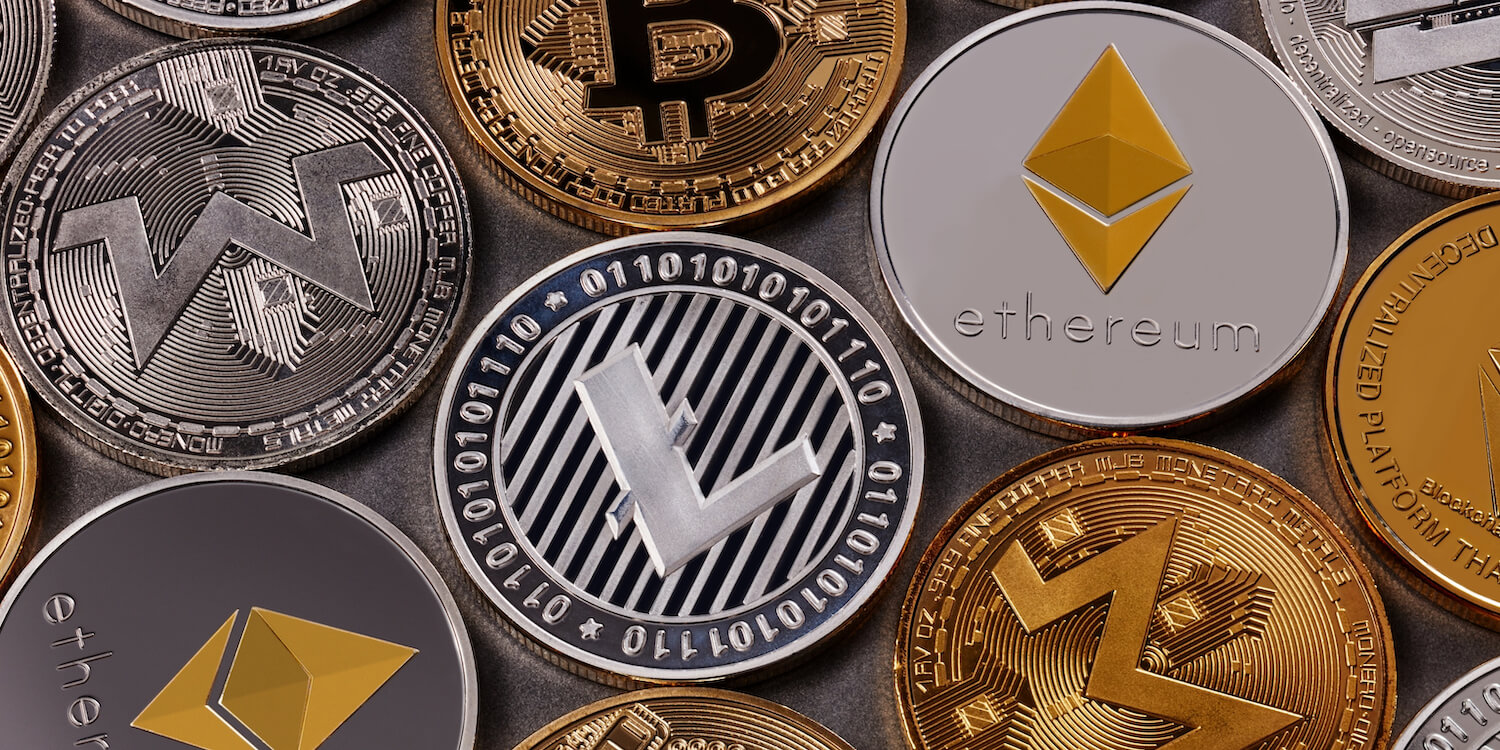
Have you finally decided to dip your toes in digital currency investment or just about to take the plunge? While the cryptocurrency market is volatile, managing risk is possible. Here are 5 things you should keep in mind when investing in crypto.
1. Invest what you can afford to lose
Just like investing in stock, commodities, or currency, it is wise to buy in with an amount that you can afford to lose. As the market is extremely volatile, it makes good sense to start small. You don’t want to put all your eggs in one basket, as the saying goes. Financial advisers recommend putting 1 to 5% of your net worth in crypto. If you’re just crypto-curious at the moment, a lower percentage will work better for you. If you have been doing research and analysis and consider yourself to be crypto-savvy, you can venture on investing a bigger percentage.
2. Do your due diligence and research
Know the developers and teams of the digital currencies you’re interested in. Take note of who is behind the coins, their track record, the technology they use, their vision, pricing history, credibility, and reputation. Don’t just rely on information found on their websites. Look for objective opinions from financial advisors, analysts, and experienced crypto investors. Visit forums and read what people say. There is also a multitude of videos on YouTube about the world of crypto that you can watch. News about crypto will also help you make the right decisions. Even if you have already decided on which coins to buy, don’t stop reading or watching crypto market analyses. These will help you find out when it’s time to buy or sell, which is critical to know in any investment.
3. Understand the pros and cons
There are more than 10,000 different cryptocurrencies traded publicly according to CoinMarketCap.com, a price-tracking website for crypto assets. Before picking which crypto coins to invest in, know the pros and cons of each. Although Bitcoin remains to be the leader among all of them, there are many other alternative coins, such as Monero (XMR), that can be worth investing in. Diversification is an investment strategy you can also apply in crypto. As mentioned above, don’t put all your eggs in one basket especially in a mercurial market such as crypto.
4. Look at the potential it could bring
Read the coin’s white paper. Every time there’s a new cryptocurrency, it usually comes out with white paper. This outlines the purpose of the coin, its technology, and its vision. A crypto coin’s white paper is one of the best places to assess the fundamentals of a coin. It may be filled with technical jargon, but it provides rich insight. You’ll need patience in investing in digital currencies. Investors in crypto are more likely to build wealth if they’re in it long-term rather than being short-term traders. Be aware and vigilant. You don’t have to monitor your digital assets 24/7, but always be on the lookout for news about your investment and continue researching just as you did before purchase.
5. Safeguard your coins
Make sure you use a secure internet connection when you’re making crypto transactions. If you can, use a VPN to keep your activities safe and private from bad actors. Avoid using public Wi-Fi networks. It’s also advisable to keep your personal computer or device safe. Make sure you have a strong firewall as well as efficient and updated anti-virus and anti-malware software. Don’t get phished. DO NOT click on suspicious ads or e-mails that promise to give you a certain amount of crypto, no matter how tempting. Don’t leave all your digital assets in the exchange. Use crypto wallets to store most of your crypto and just leave enough in the exchange for immediate transactions. Keep your keys, seeds, and recovery passphrases secret and secure them in a private place. If you have Monero (XMR) assets, store them in a secure, private, and untraceable wallet like XMRWallet. XMRWallet allows you to use Monero without requiring you to download any software. It has multiple language support. It’s completely free, including importing previous transactions. Create your account now and take advantage of everything XMRWallet offers. Using XMRWallet for your Monero coins will expand the privacy and anonymity that Monero provides.